

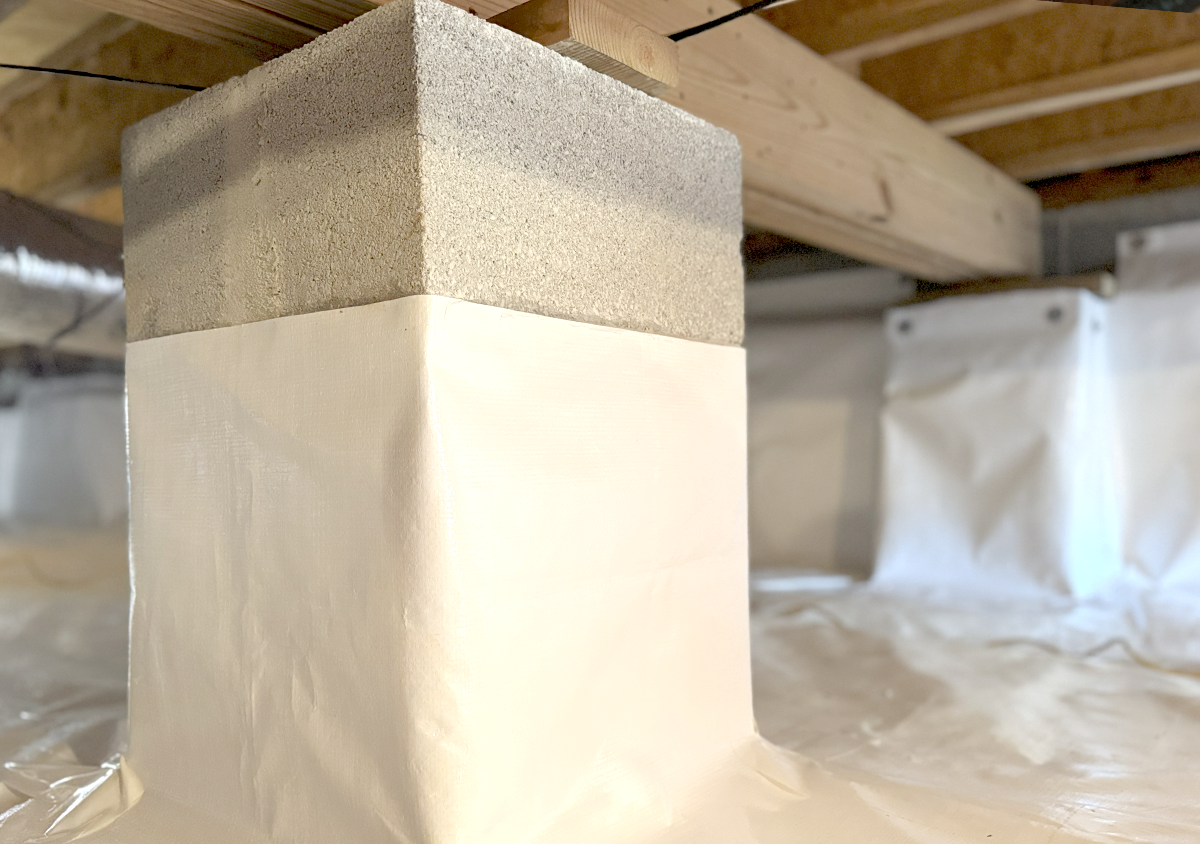
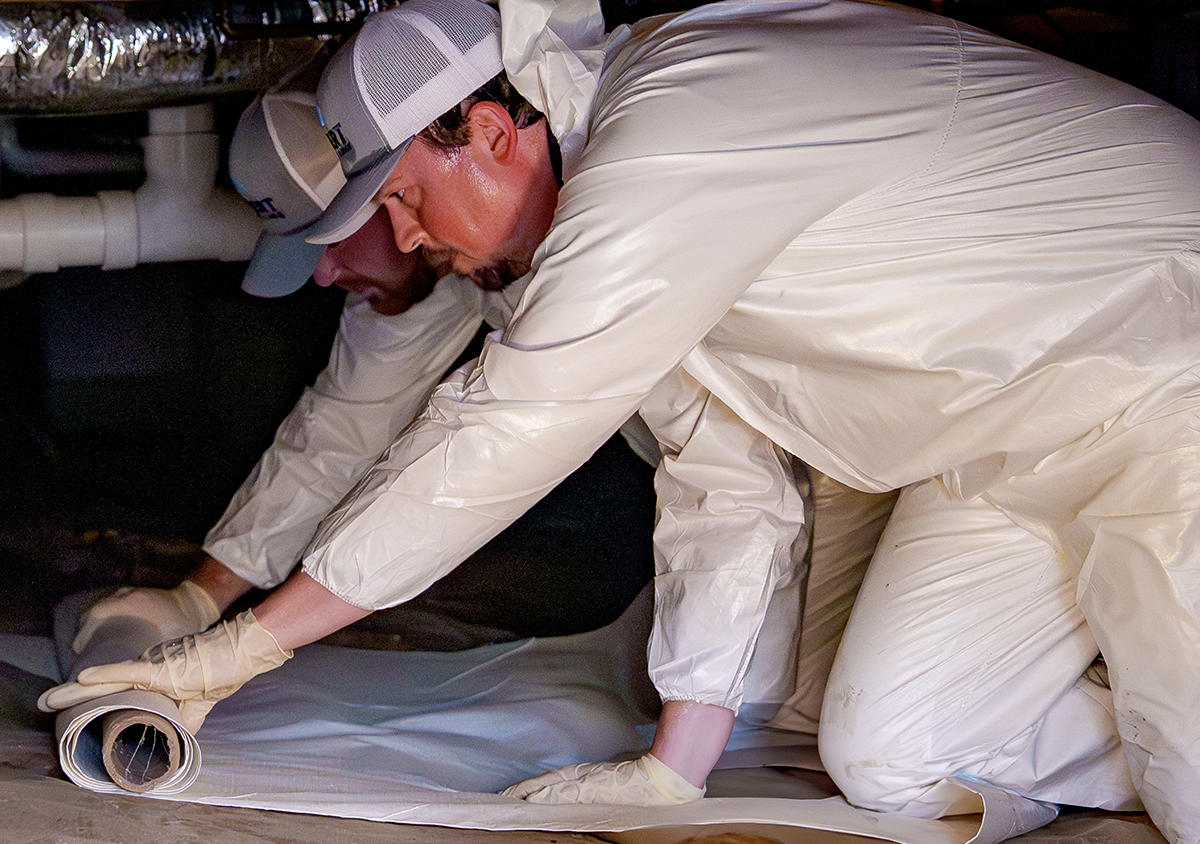
Create a clean, sealed environment that prevents moisture intrusion and promotes healthier indoor air. This process includes installing high-quality vapor barriers, sealing foundation vents, and optimizing drainage to keep the area dry. By eliminating excess moisture, it helps prevent mold growth, wood rot, and structural damage — while also enhancing energy efficiency and year-round indoor comfort.

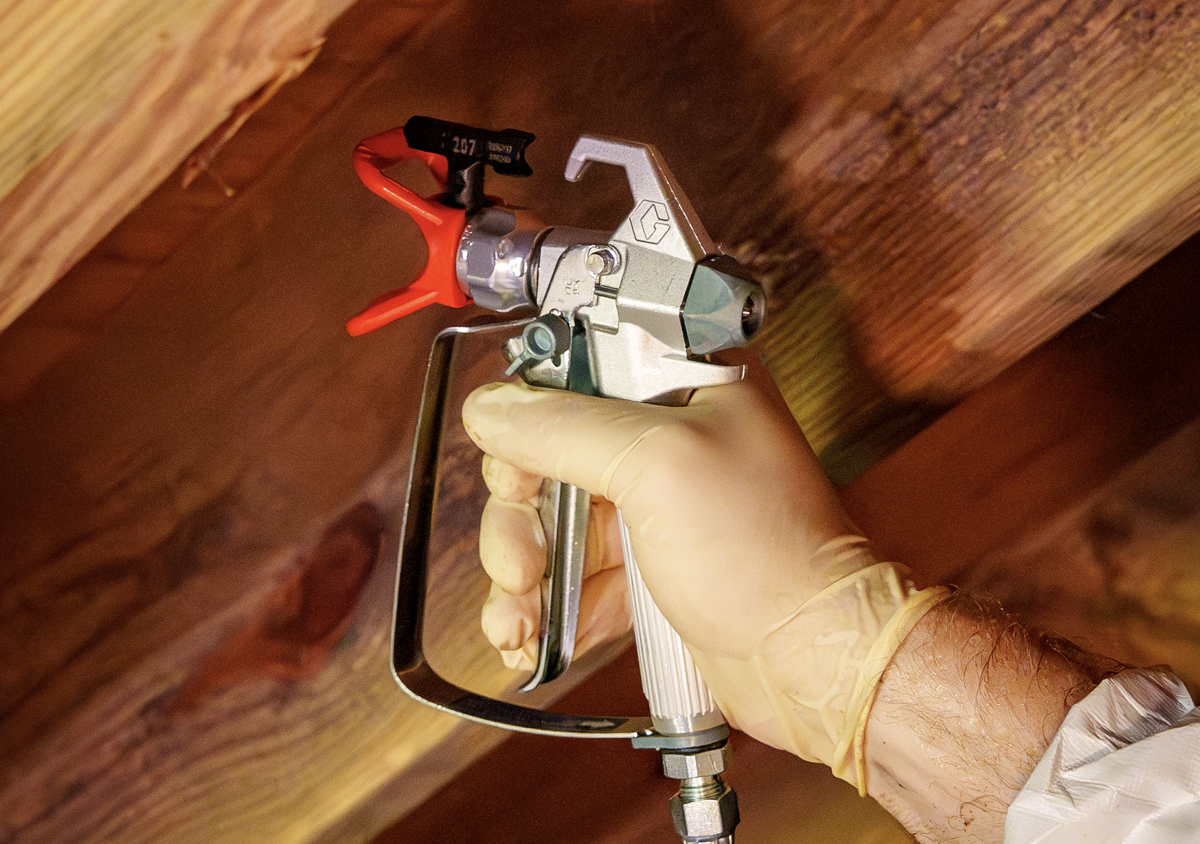
Mold spraying applies specialized chemicals to contaminated surfaces to kill mold spores and prevent growth. These treatments penetrate porous materials to eradicate mold at its source. Properly applied sprays are essential for mold remediation, ensuring thorough disinfection and restoring a healthy indoor environment.
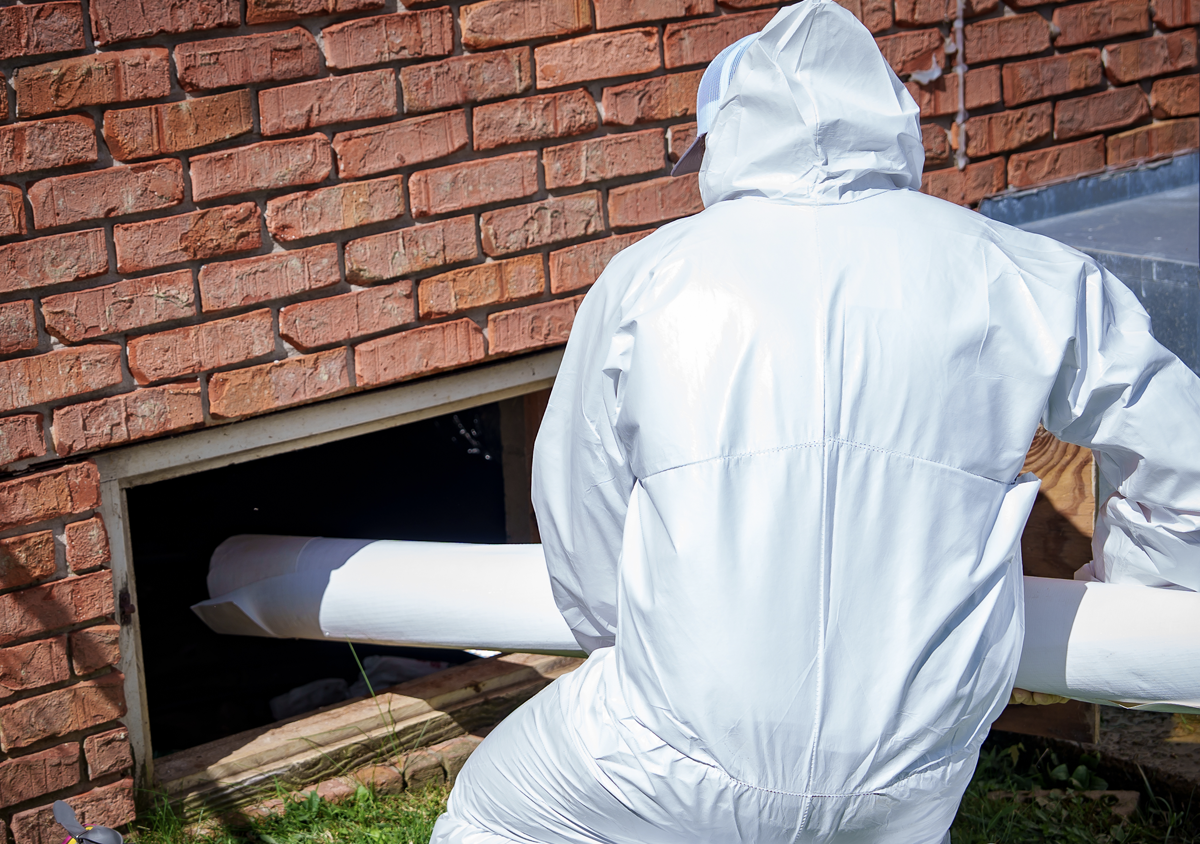
Mold remediation involves removing mold growth and addressing the causes to prevent its return. This includes containing the area, removing mold-infested materials, and using specialized cleaning techniques. Moisture control measures are implemented afterward, and air quality may be reassessed through testing to ensure effectiveness.

Create a clean, sealed environment that prevents moisture intrusion and promotes healthier indoor air. This process includes installing high-quality vapor barriers, sealing foundation vents, and optimizing drainage to keep the area dry. By eliminating excess moisture, it helps prevent mold growth, wood rot, and structural damage — while also enhancing energy efficiency and year-round indoor comfort.
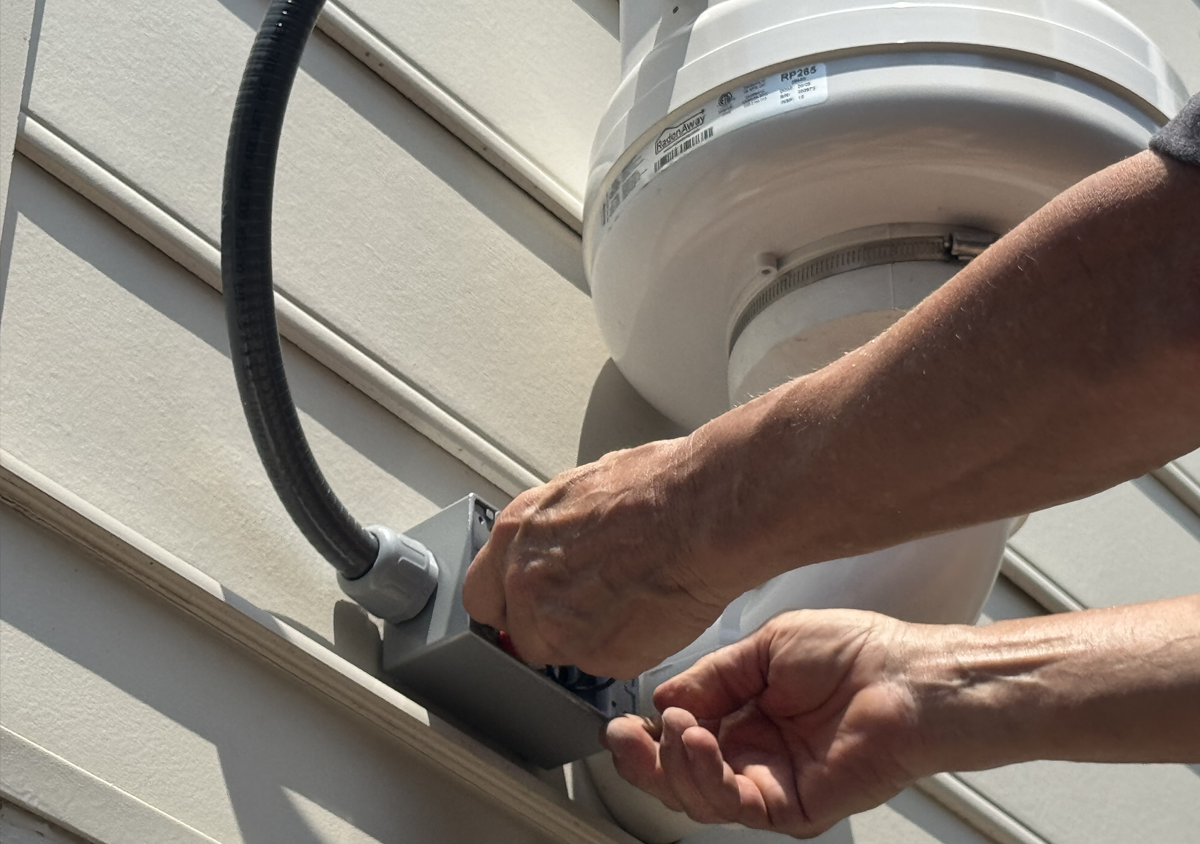
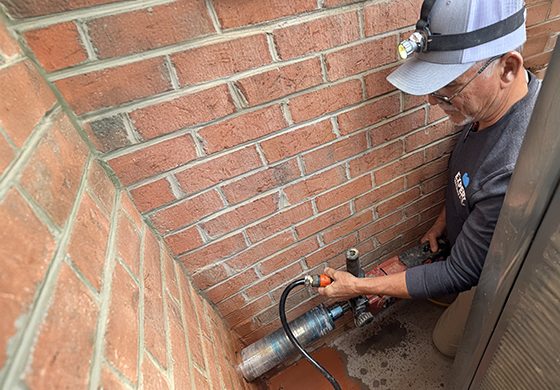
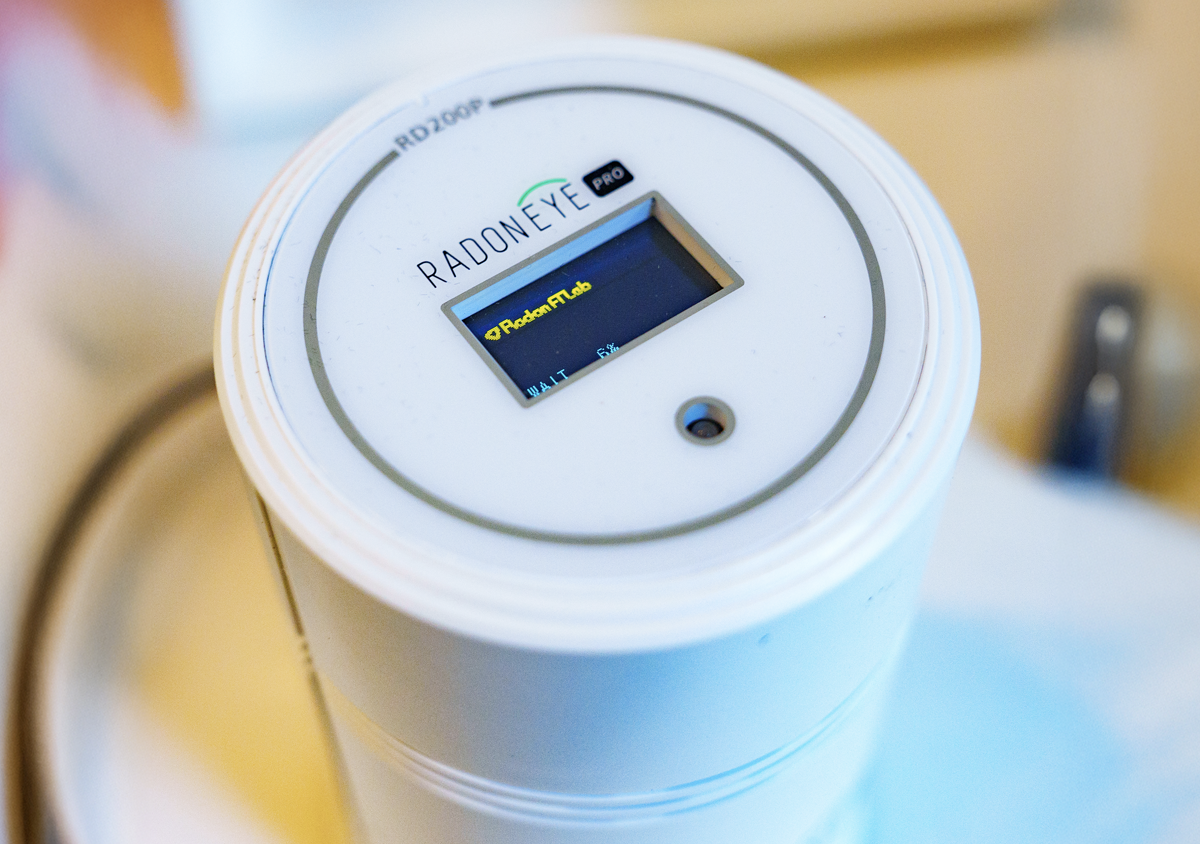
Radon and vapor intrusion mitigation strategies prevent radon gas and VOCs from entering buildings through the foundation. Techniques include sub-slab depressurization systems, sealing foundation cracks, vapor barriers, and ventilation systems. These methods reduce harmful vapors from soil or groundwater, protecting occupants from health hazards.

